4 MOST IMPORTANT NUTRIENTS IN PREGNANCY
Pregnancy is a time when your body is working double-time. As the fetus grows and develops, your body creates new cells at a tremendous pace. Your blood volume is increasing, and your placenta is forming.
For all of this to happen smoothly, your body needs extra fuel.
While all nutrients matter, 4 nutrients are extra important for blood production and cell growth: Folate, Vitamin B12, Iron, and Zinc. The needs are especially great because of their key roles in the synthesis of DNA and new cells.
Here’s why they matter and how to get them.
1. FOLATE: For Baby’s Brain and DNA
Folate is a B vitamin that helps make DNA and new cells. During pregnancy your need goes up a lot from 400 mcg to 600 mcg daily.
Why it’s important:
It helps your baby’s brain and spinal cord develop properly. It also helps your body make new blood cells.
Where to get it:
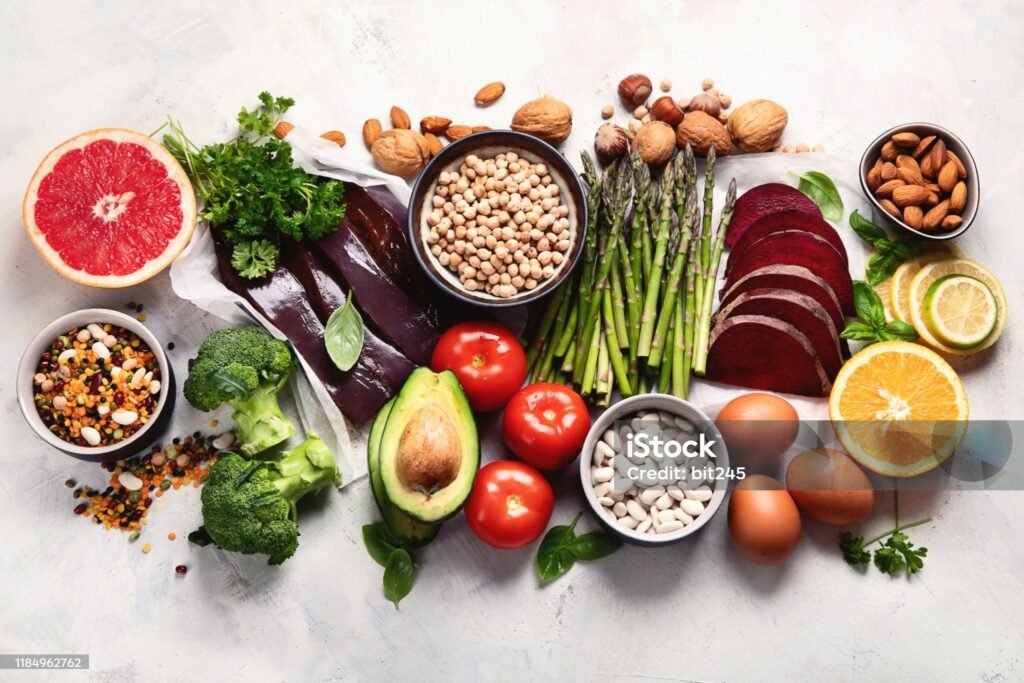
Green leafy veggies, oranges, beans, fortified cereals, whole grains, and prenatal supplements.
A mix of food + supplement works best.
2. VITAMIN B12: The Helper Vitamin
Vitamin B12 works with folate to make new cells and keep your nerves healthy.
Why it’s important:
If you don’t get enough B12, it can lead to several nerve problems.
Where to get it:
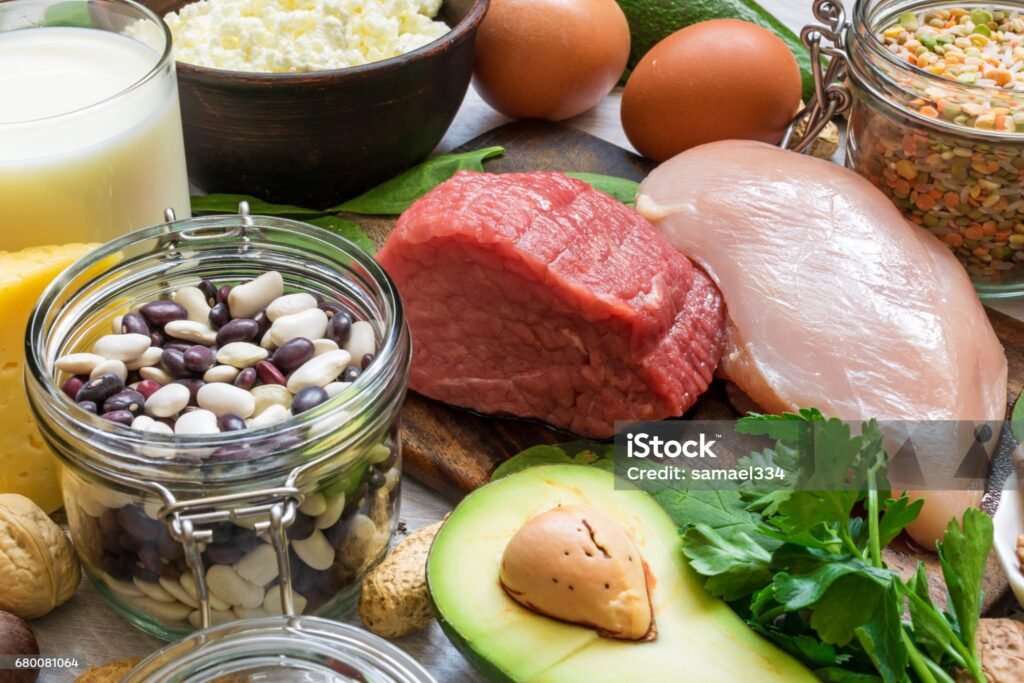
Meat, fish, eggs, milk, and dairy products usually cover your need.
For vegans: You’ll need B12 supplements or fortified foods like fortified milk and cereals, because B12 mainly comes from animal foods.
3. IRON: For Blood and Energy
Your blood volume almost doubles in pregnancy. Iron helps make hemoglobin, which carries oxygen to you and your baby.
Why it’s important:
Low iron can cause anemia, tiredness, and sometimes low birth weight. The baby also uses your iron to build stores for the first 4-6 months after birth.
How your body adapts:
You stop having periods and absorb iron better during pregnancy.
Tips to absorb iron better:
- Take iron supplements between meals or at bedtime with water
- Avoid tea, coffee, or milk with iron pills — they block absorption
- Vitamin C foods like orange juice help your body use iron from food. With iron pills it’s not needed because the iron is already in an easy form.
Where to get it:
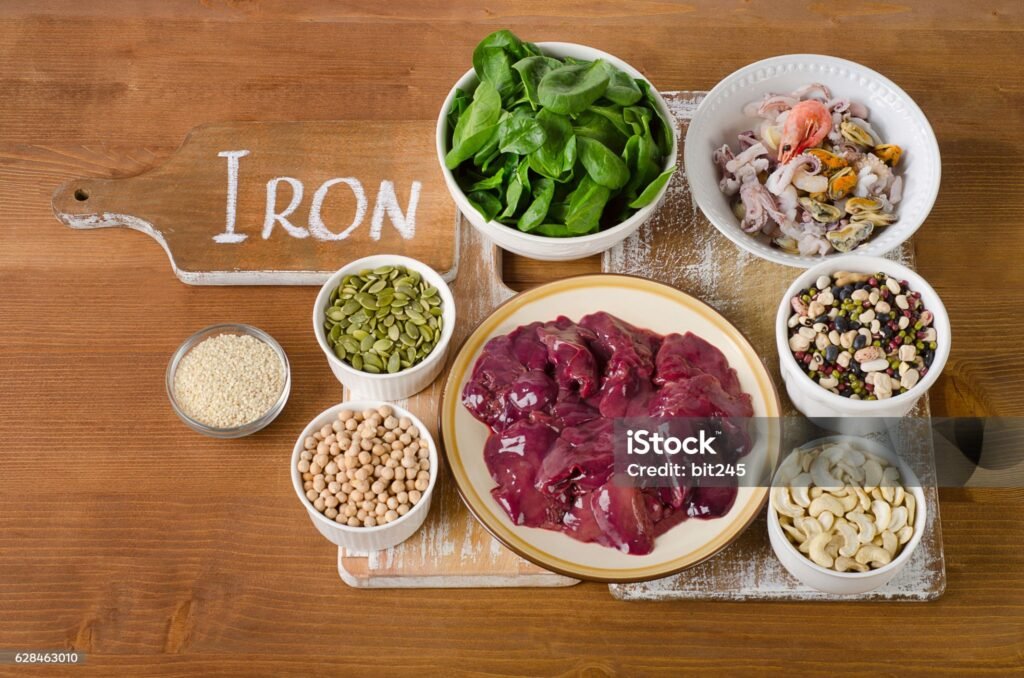
Red meat, lentils, spinach, beans, fortified cereals, and iron supplements prescribed by your doctor.
4. ZINC: For Growth and Healing
Zinc works with iron, folate, and B12 to help cells grow and repair.
It’s also important for your immune system and also prevents early rupture of the amniotic sac.
Where to get it:
Meat, nuts, seeds, whole grains, and dairy.
FAQs
Q1. Do I need to take all 4 nutrients as supplements?
Not always. Food should be your first choice. But most doctors recommend a prenatal vitamin + iron because it’s hard to get enough from food alone, especially iron and folate.
Q2. Can I take iron with milk or tea?
No. Milk, tea, and coffee make it harder for your body to absorb iron. Take it with water, and if your doctor allows, with vitamin C rich juice.
Q3. I’m vegetarian/vegan. How do I get B12 and iron?
For B12: Take a B12 supplement or eat fortified foods.
For iron: Eat lentils, beans, spinach + vitamin C foods. You’ll likely need an iron supplement too. Talk to your doctor.
Q4. What happens if I’m low on these nutrients?
You may feel very tired, weak, or get anemia. For baby, low folate and iron can affect growth. That’s why regular checkups and blood tests are important.
How to Get Enough Nutrients
Getting enough folate, B12, iron, and zinc doesn’t mean eating a lot more. It means eating smarter.
- Eat a mix: Greens + dal + whole grains + dairy + fruits daily
- Don’t skip your prenatal vitamin: It fills the gaps food can’t
- Time your iron right: With water, away from tea/coffee
- Talk to your doctor: They will check your blood and adjust doses for you
Your body is building a whole new person. These 4 nutrients are the bricks. Feed yourself well, and you’re feeding your baby too 💛